
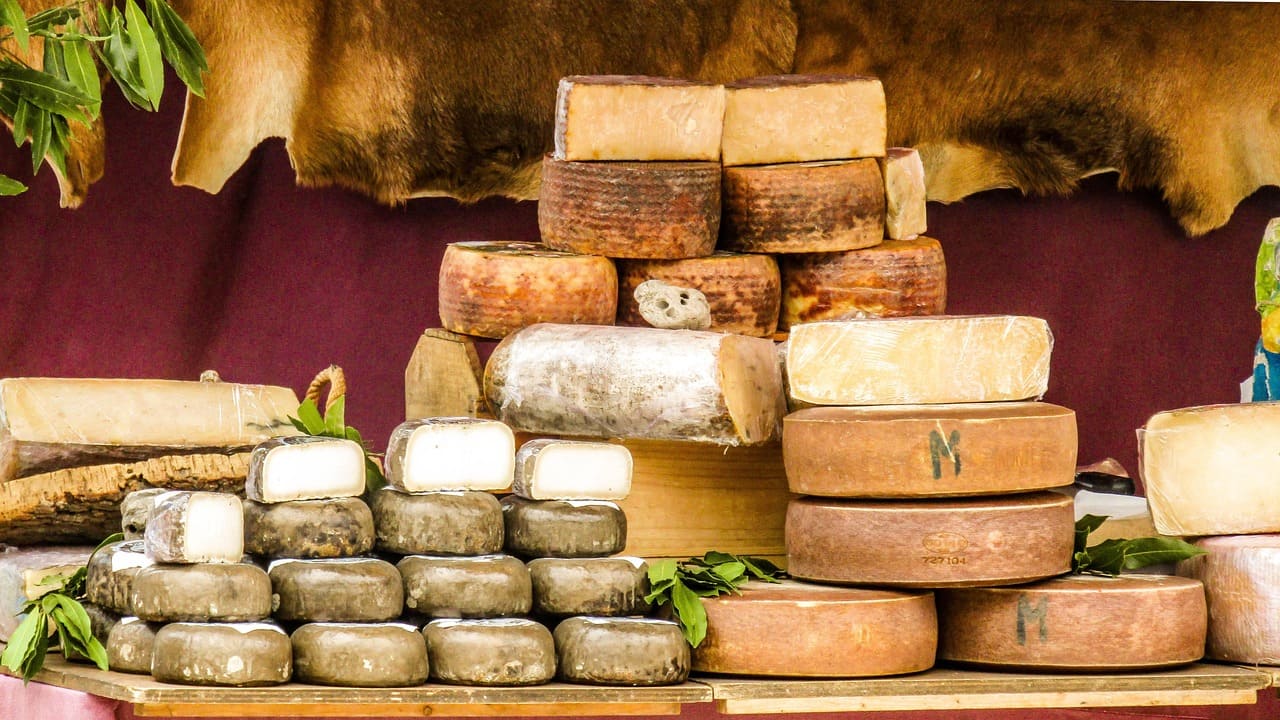
Most people eat cheese every day and think about it almost never. That’s not a criticism — it’s just how it goes when something becomes a staple.
But here’s a scenario that probably sounds familiar: you’re at a gathering, someone sets out a cheese board, and there are three or four things on it you don’t recognize. One looks alarmingly blue. One has a rind that seems like it might be mold. One is wrapped in something you’re not sure you’re supposed to eat. You take the familiar one — the orange block you’ve had a hundred times — and spend the rest of the evening mildly curious about the others.
That gap between “I eat cheese” and “I know what I’m eating” is exactly what All Do Cheese is here to close. Not through lengthy history lessons or regional classifications you’ll forget by next week — but through the specific, practical information that actually changes how you shop, cook, and eat.
What This Blog Is — and What It Isn’t
All Do Cheese is not a reference encyclopedia. It won’t walk you through every cheese produced in every region of France or catalog Italian DOP designations for their own sake.
What it is: a practical guide to the cheeses most people actually encounter — at supermarkets, cheese counters, restaurant menus, and dinner tables — written with enough depth to be genuinely useful and enough directness to be readable.
Every post here is built around a real question: what do you actually need to know about this cheese to buy it confidently, store it correctly, and use it well? If a piece of information doesn’t change what you’d do with the cheese, it probably doesn’t belong in the article.
My view is that most cheese content either oversimplifies (“it’s creamy and delicious!”) or overcomplicates (twelve paragraphs of history before a single cooking tip). This blog is trying to be neither — just the stuff that’s genuinely worth knowing, explained plainly.
The Cheeses We Cover
The blog spans a wide range of styles and origins, focused on cheeses that are widely available and worth understanding better:
- Italian classics: Parmesan (and why the pre-grated version in a green canister is a fundamentally different product), gorgonzola dolce vs. piccante and why they’re not interchangeable, pecorino and its role in Roman cooking, burrata and the freshness window that determines whether it’s transcendent or forgettable, and provolone across its full range from mild dolce to aged piccante.
- French staples: Brie — including how to tell a properly ripe wheel from an under-ripe one that’s been sitting too long, and what triple cream actually adds beyond marketing. Boursin, which most people use as a spread and not nearly enough people stir into mashed potatoes or pasta sauces.
- Swiss and Alpine: Gruyère, which melts more cleanly than almost anything else at a regular grocery store and explains why dishes like French onion soup taste the way they do when made correctly.
- British and American: Cheddar — a cheese with a flavor range so wide that mild and aged might as well have different names, and a melt behavior so distinct from parmesan that using one in place of the other in a sauce produces results that don’t make sense until you understand the difference.
- Latin American: Cotija, the Mexican finishing cheese that seasons, adds texture, and transforms a dish in a single crumble — and which has almost no useful substitute despite what recipe substitution guides claim.
More cheeses will be added over time. The selection logic is simple: if it’s a cheese that appears regularly in everyday cooking and eating, and there’s something genuinely useful to know about it, it belongs here.
Why the Details Actually Matter
Here’s a concrete example of the kind of thing this blog covers. Most people know parmesan goes on pasta. Far fewer know that the white crystals in a well-aged block are tyrosine — a sign of proper long aging, not spoilage — and that a block full of them is generally better than one without. That single piece of information changes how you shop, because you stop putting back the wedge that looks slightly odd and start actively looking for it.
Or take gorgonzola. The dolce and piccante styles are sold under the same name but behave completely differently when cooked. Dolce melts smoothly into a cream sauce and distributes without breaking. Piccante, being drier and sharper, doesn’t melt the same way and can curdle a sauce if you’re not careful. Knowing which one you’re buying before you get to the stove saves a dish.
These aren’t obscure technicalities. They’re the kind of details a good cheesemonger would tell you if you asked — and that most people never ask because they don’t know the question exists. That’s the gap All Do Cheese is filling.
How to Use This Blog
There’s no required reading order. Each post stands on its own. A few natural starting points depending on where you are:
- Start with the cheese you use most. If cheddar is in your fridge every week, the cheddar post will give you something immediately useful. Same for parmesan, mozzarella, or anything else you cook with regularly. Understanding a familiar cheese better is more useful in practice than learning about an unfamiliar one from scratch.
- If you’re building a cheese board, read the brie, gorgonzola, and provolone posts first. They cover the soft, bold, and middle-ground options that give a board genuine range — and explain why contrast matters more than variety for its own sake.
- If your home cooking often falls just short of restaurant quality, the parmesan and cheddar posts address the most common cheese-related reasons why — specifically, the difference fresh-grated makes versus pre-shredded, and why the age of the cheese changes the result in cooked dishes.
- If you’re new to soft-ripened or blue cheeses, start with brie before gorgonzola. Brie is more forgiving and the post explains what ripeness actually means in practical terms — information that applies broadly to soft cheeses beyond brie itself.
The posts are written to be re-read. The first time through, you’ll pick up the main points. The second time, before you’re actually shopping or cooking, the specific details tend to stick better. That’s by design.
Cheese rewards the people who pay attention to it. This blog is here to make that attention easier to give.